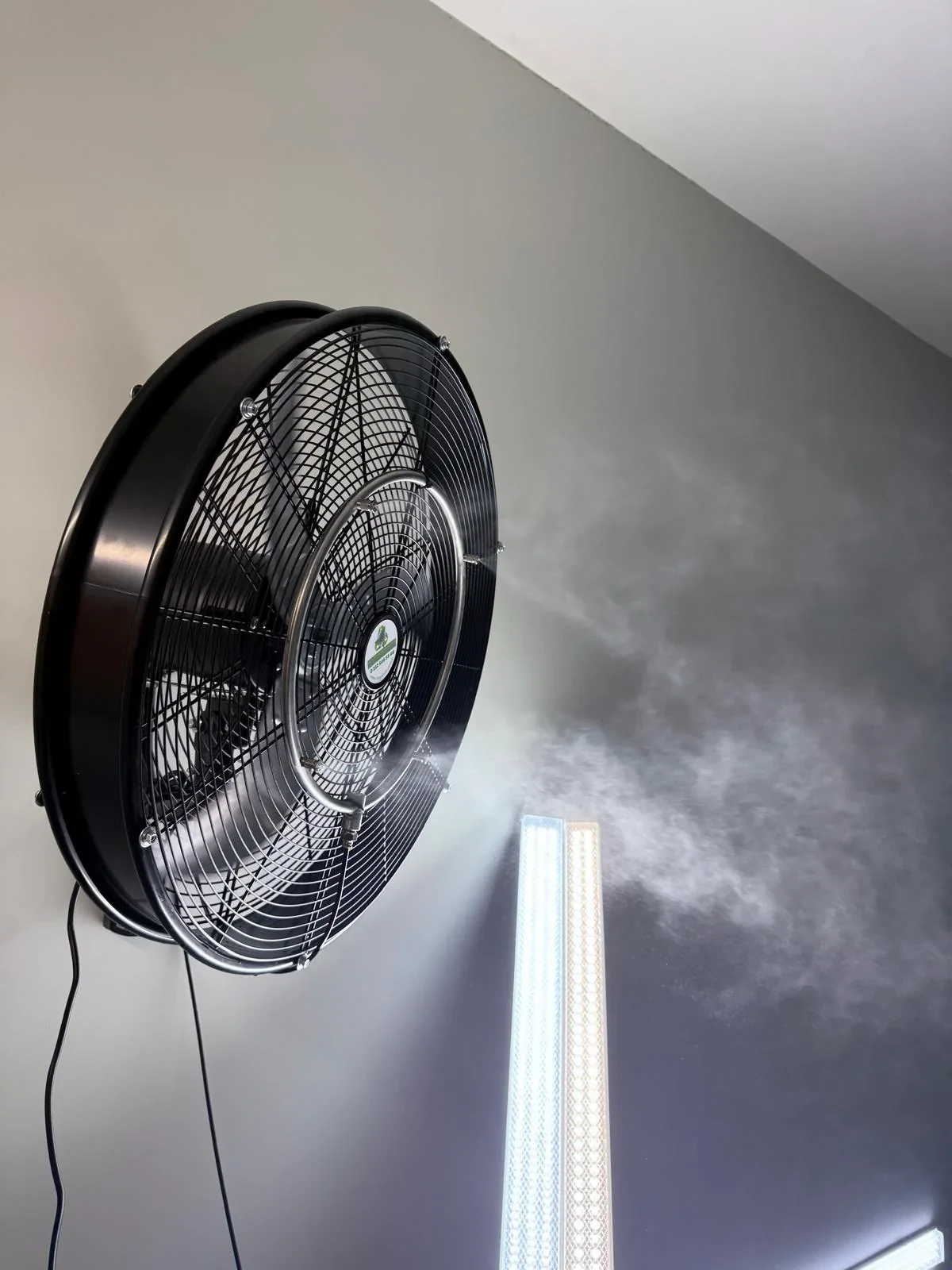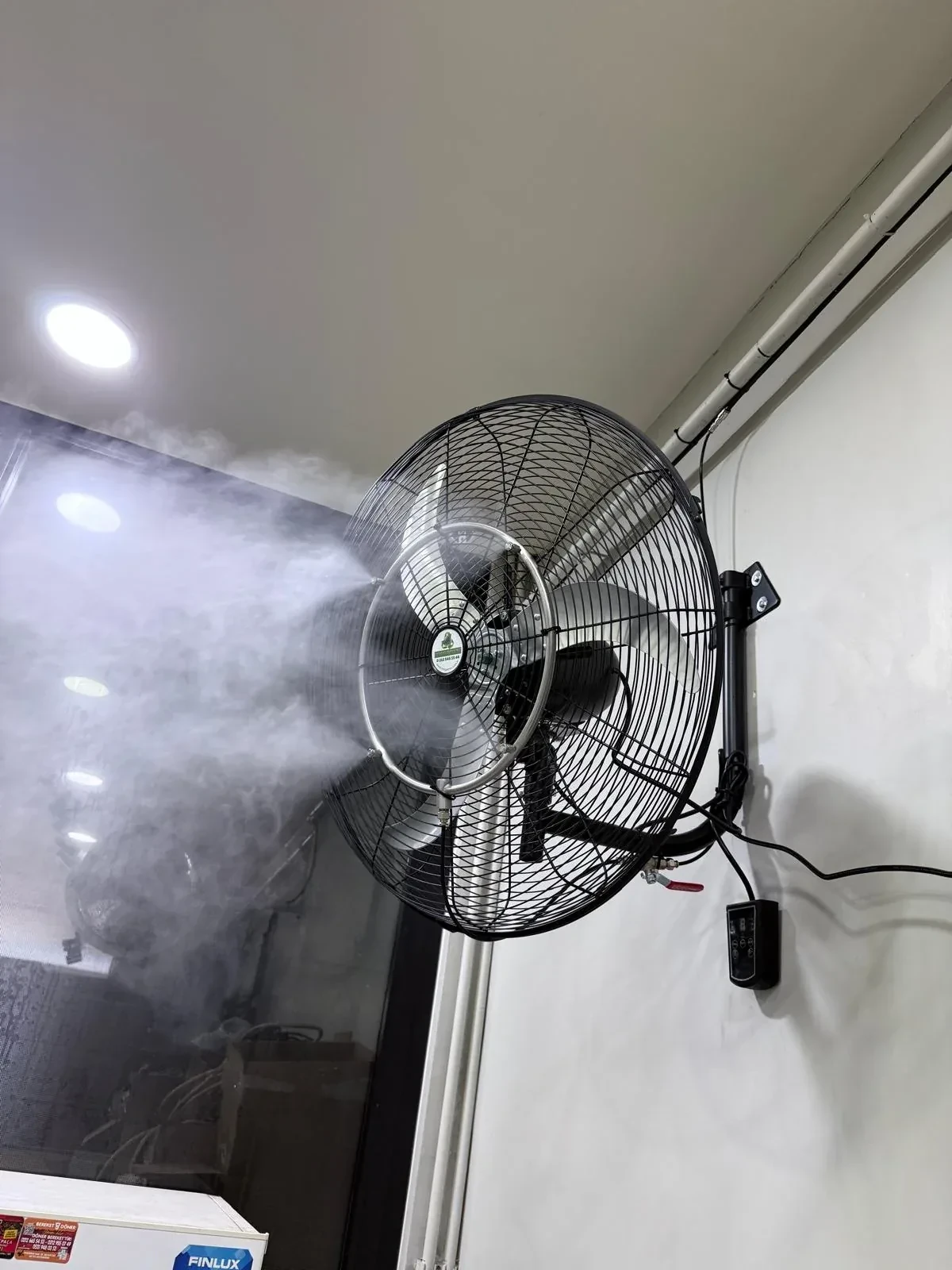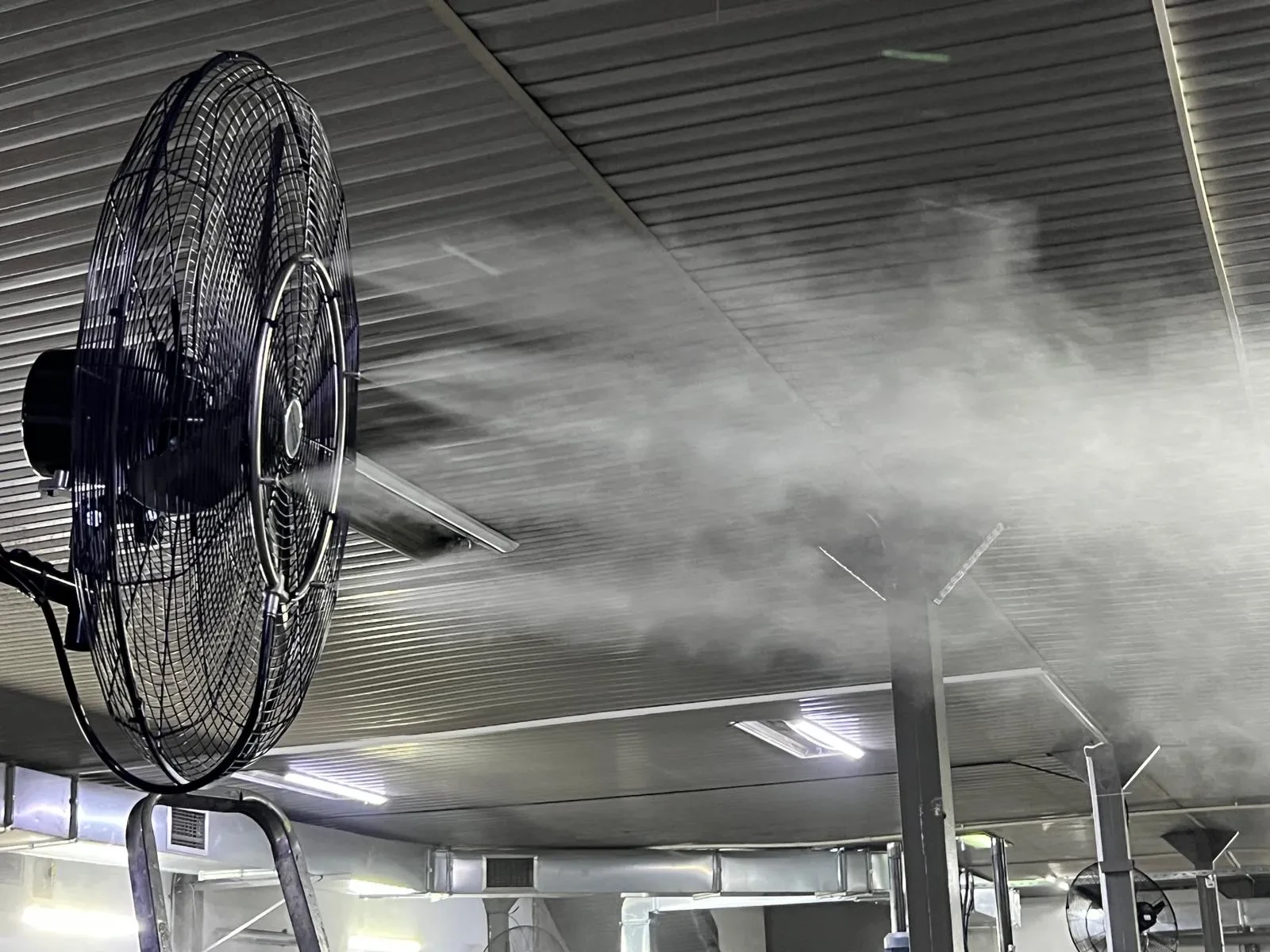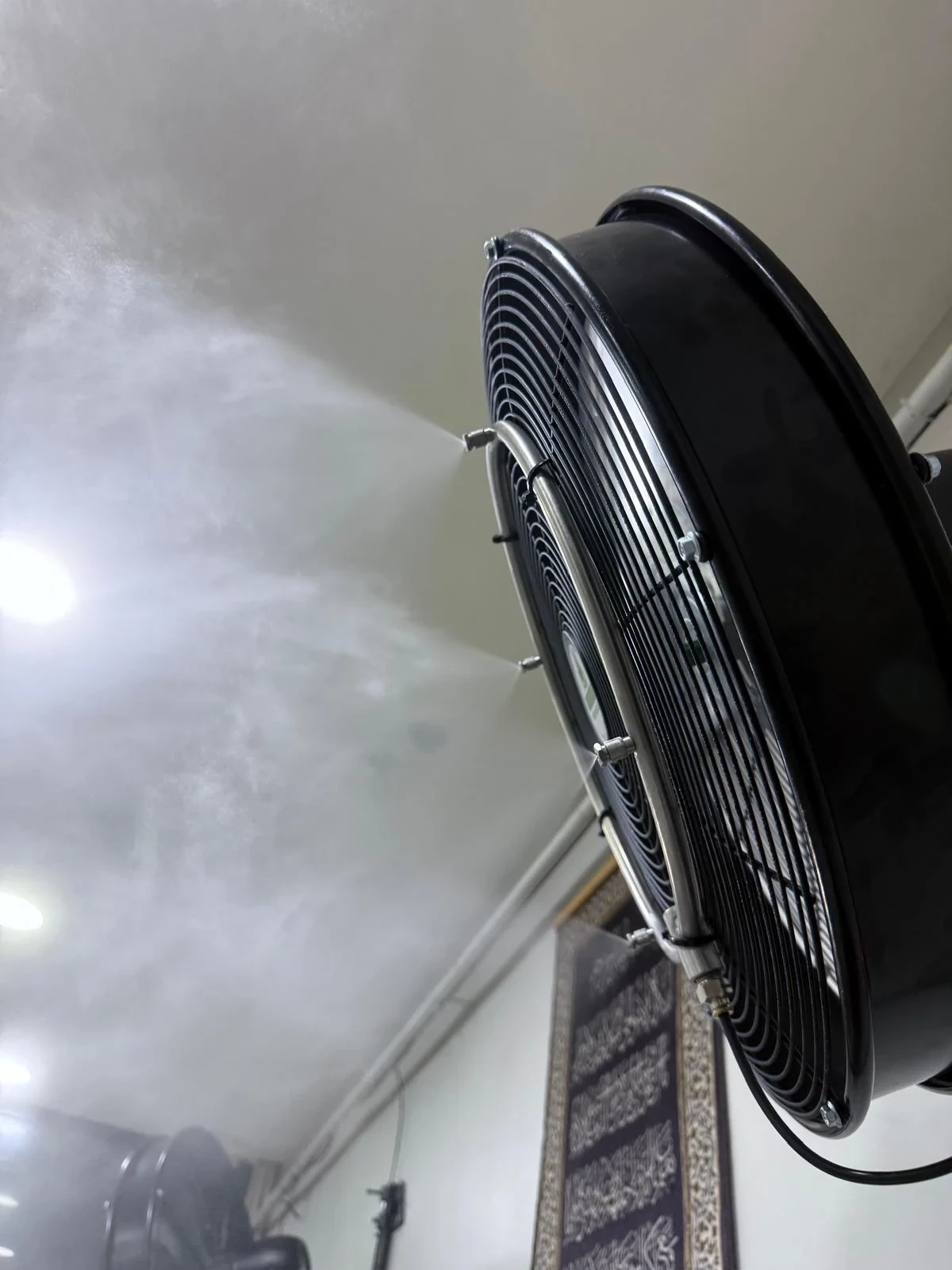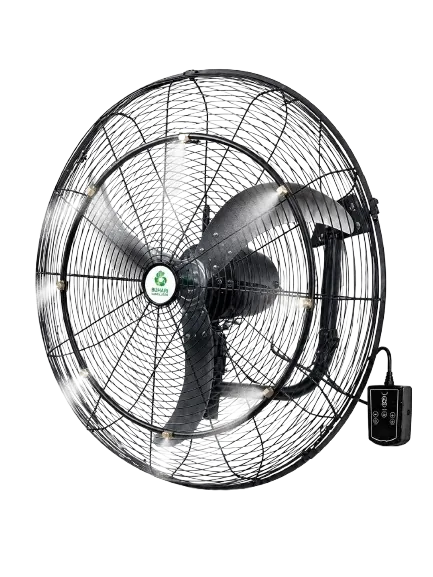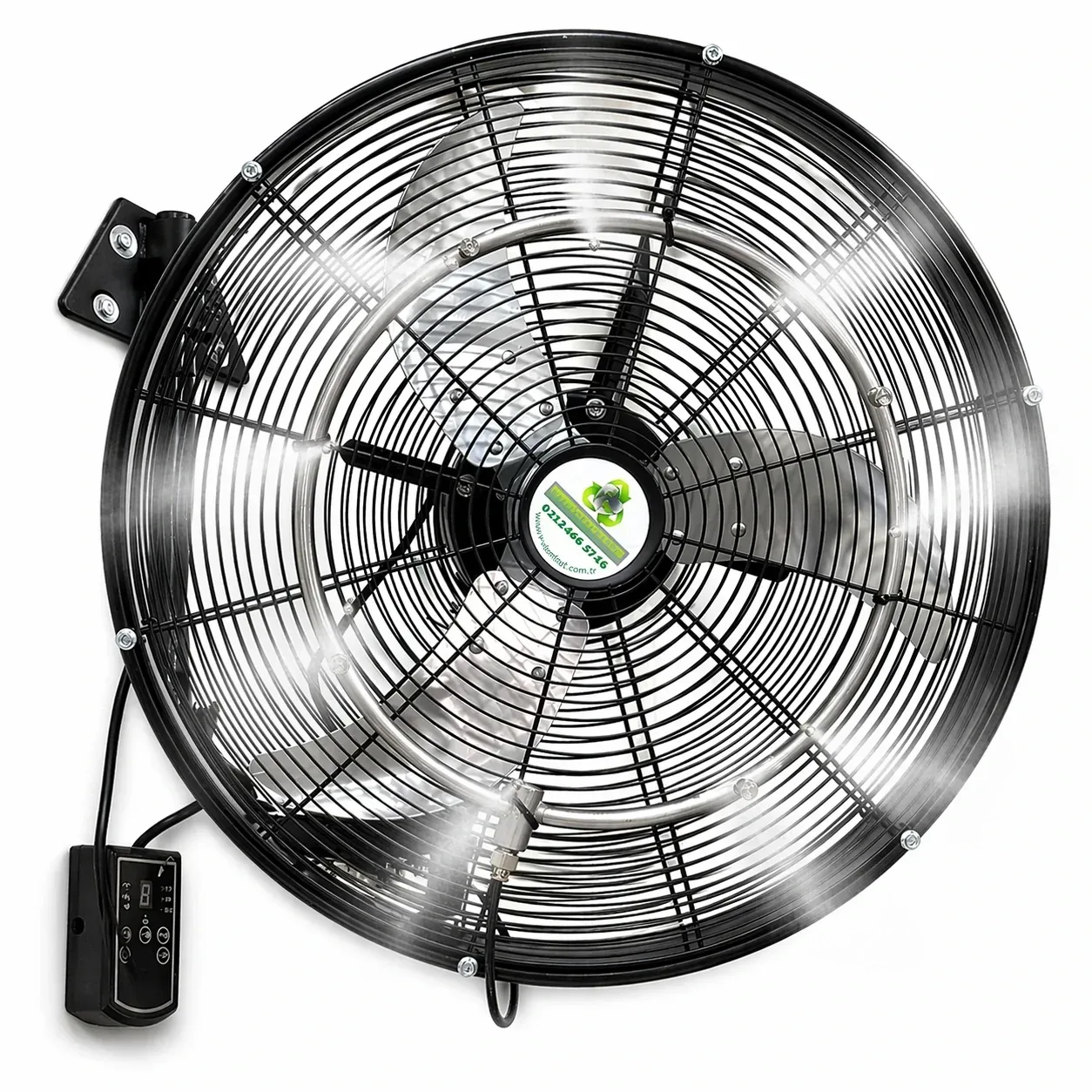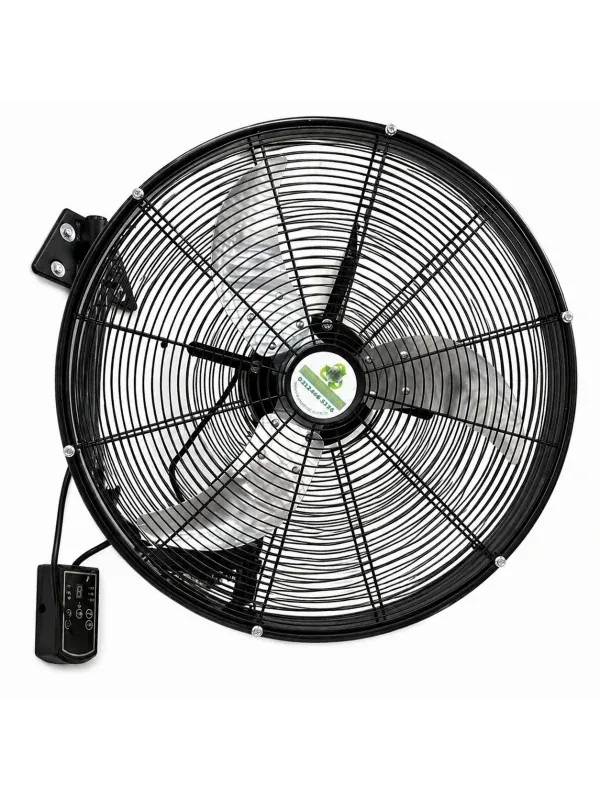
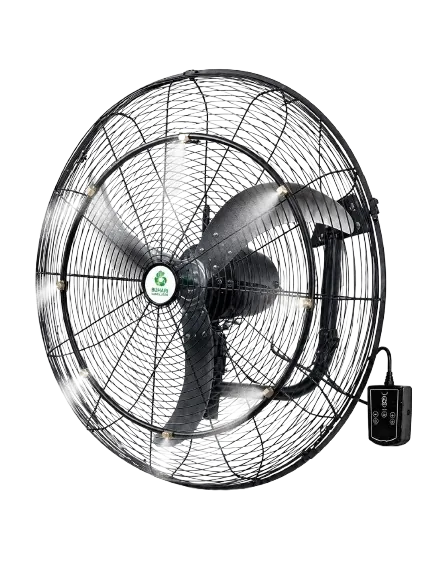
What it does
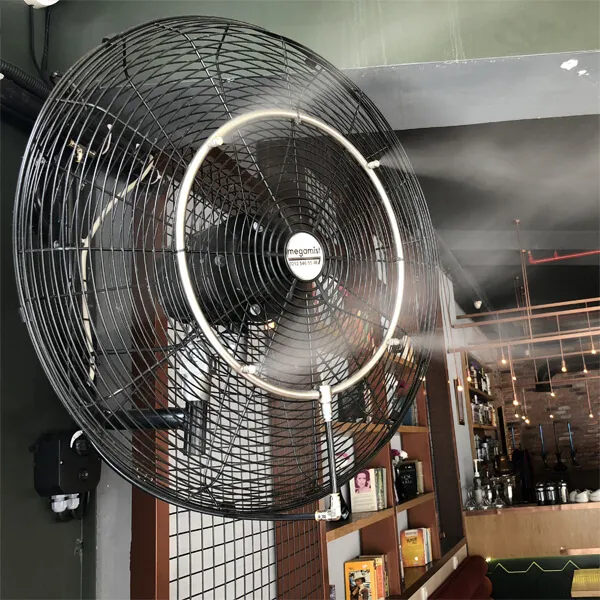
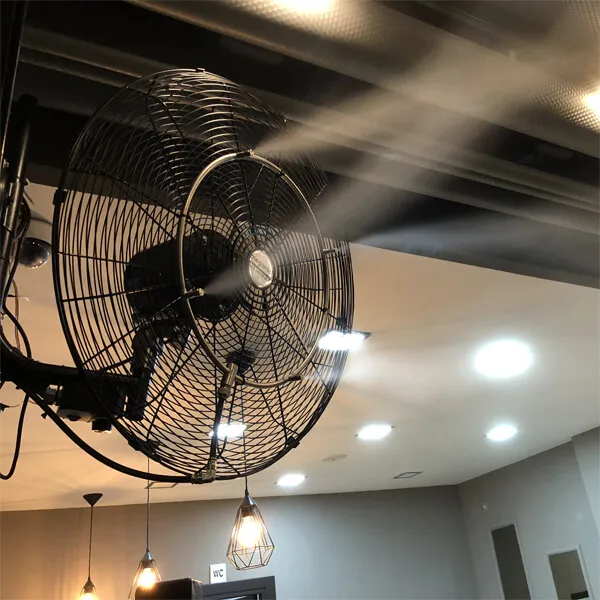
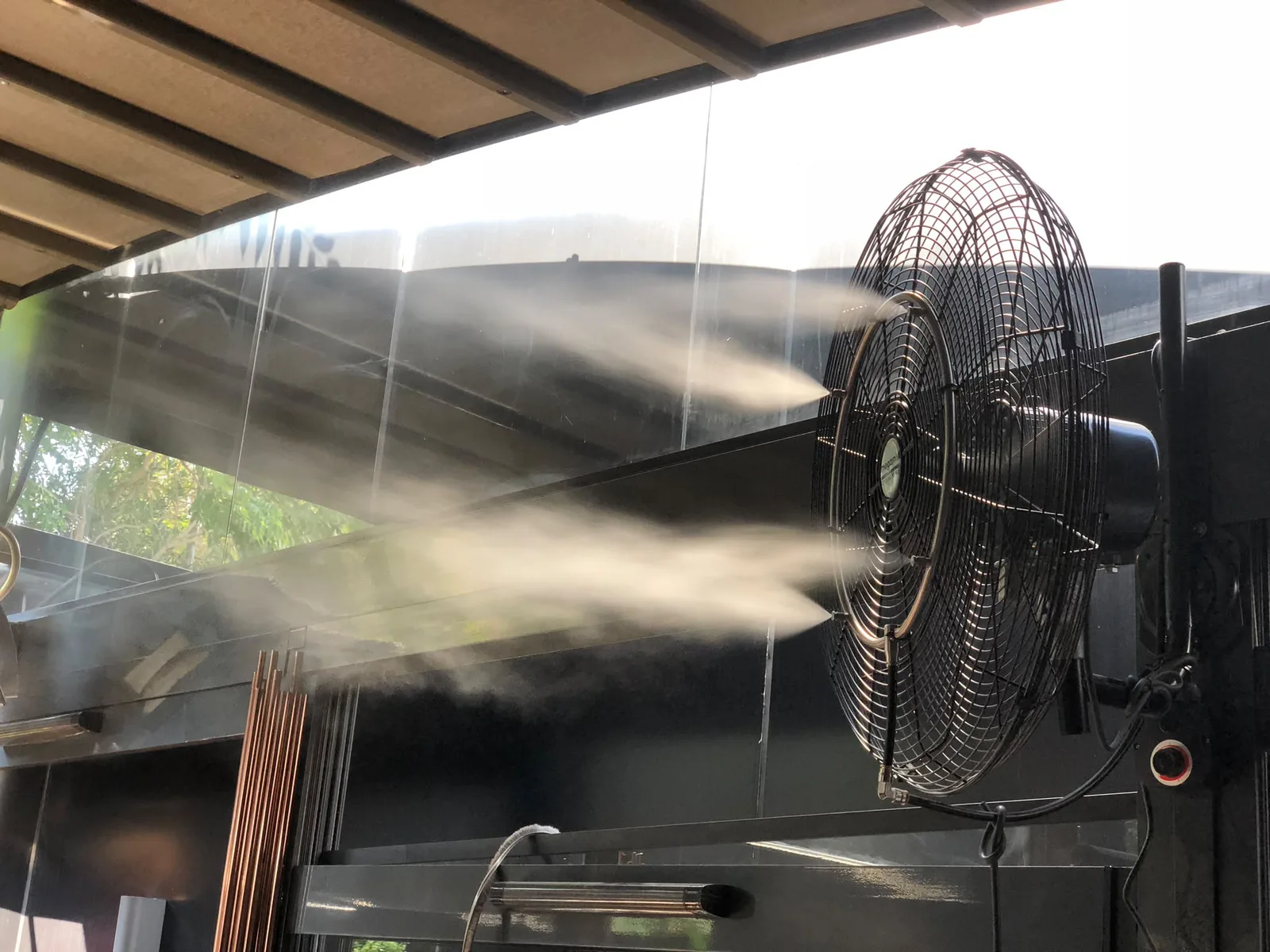
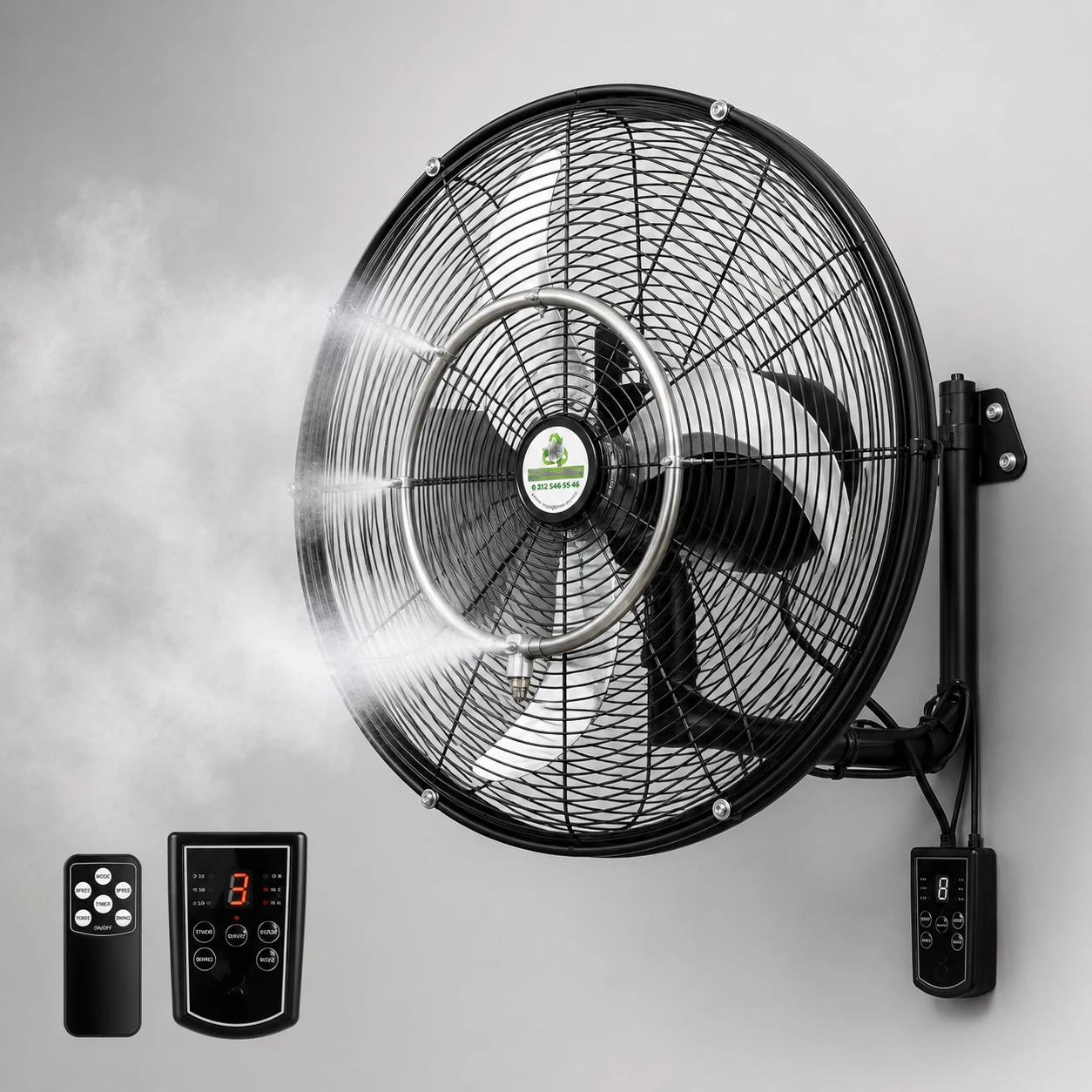
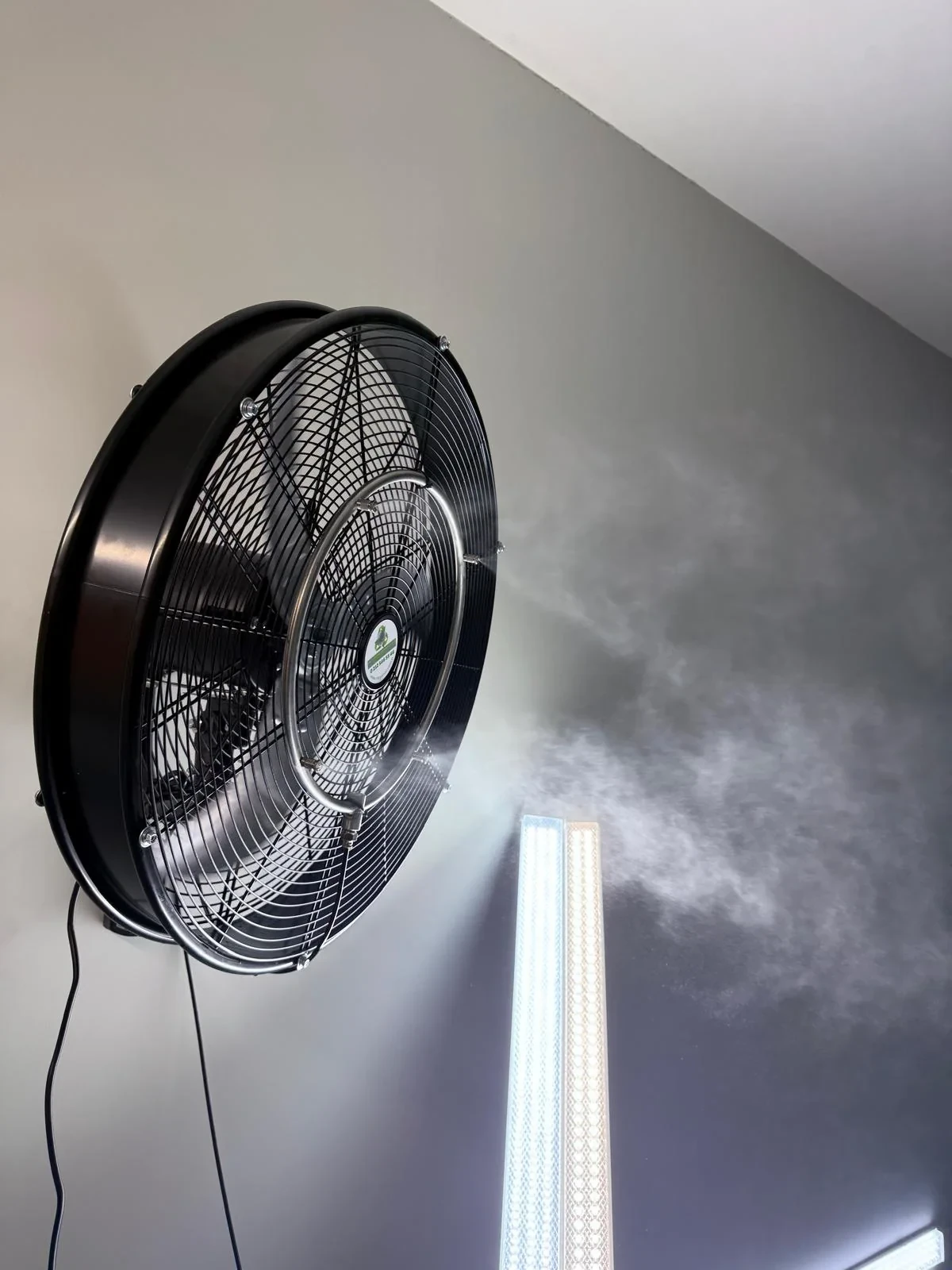
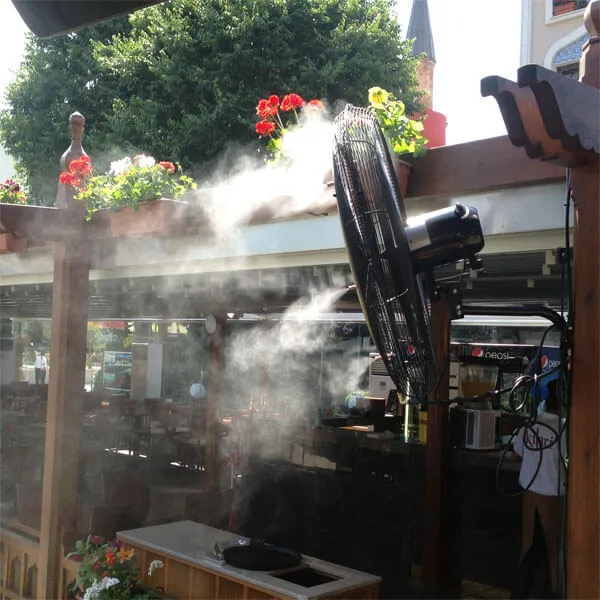
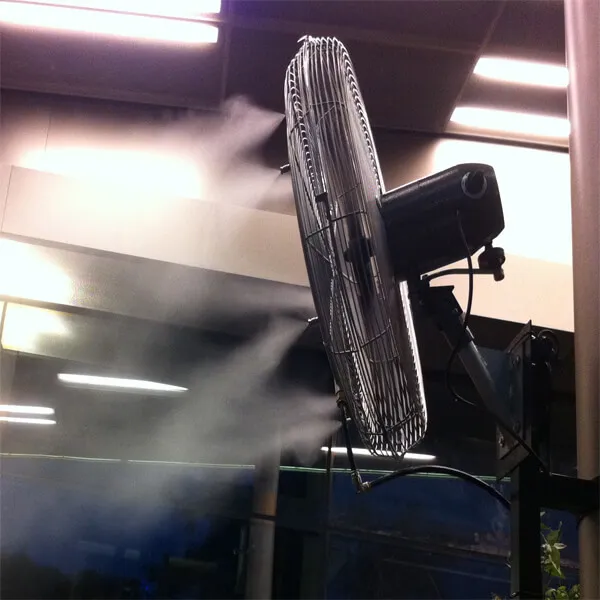
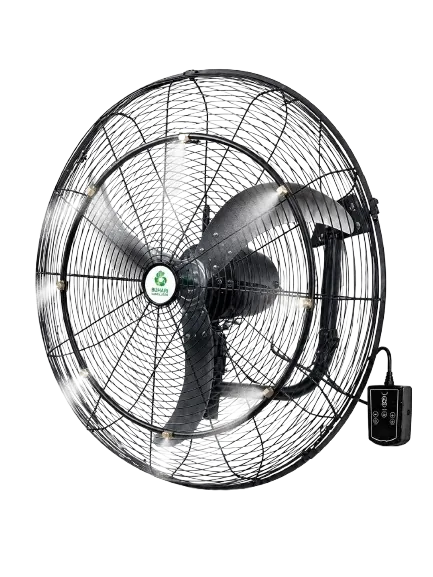
Combines strong fan airflow with fine water mist to support a fresher and more comfortable outdoor environment.
Mist fan systems are designed for outdoor and semi-outdoor areas where ordinary air movement is not enough. By combining fan airflow with fine water vapor, they help create a fresher and more comfortable commercial environment. Our planning approach considers fan capacity, airflow direction, water supply, positioning and daily operation so the selected system performs reliably in real conditions.
A mist fan should be selected for real site conditions rather than fan diameter or appearance alone.
Combines strong fan airflow with fine water mist to support a fresher and more comfortable outdoor environment.
Area size, wind, airflow capacity, mist quality, water access, positioning and daily operating duration.
Cafés, restaurants, terraces, gardens, hotel outdoor areas and controlled commercial open spaces.
A mist fan combines directed airflow with a controlled water mist. Products sold under the same name can differ in fan diameter, airflow, nozzle quality, water supply and mobility. A reliable selection therefore starts with the space: seating layout, wind exposure, operating hours, access to water and electricity, and the distance between the fan and people.
Customer-facing terraces usually require quiet operation, clean appearance and gentle distribution. Event areas benefit from mobility and fast setup. Semi-industrial spaces may prioritize durability, airflow and easy maintenance. The most suitable unit is the one that matches the operating scenario rather than the one with the largest headline power value.
Tank models are flexible and quick to deploy. Fixed-line systems can support longer daily operation with less refilling.
Air direction, user distance, wind corridors and obstacles often affect comfort more than motor size alone.
The purpose is to support evaporation, not to wet furniture or floors. Fine nozzles, clean water, adequate filtration and correct distance help produce a more even mist. Hard water can create mineral deposits, so filter inspection and nozzle cleaning should be included in the operating plan.
Provide the approximate dimensions, photographs, intended use, open or semi-open structure, daily operating time, wind exposure and available utilities. These details make it possible to compare model type, quantity, placement and water supply on the same basis.
Performance note: A mist fan supports localized outdoor comfort. Results vary with temperature, humidity, wind, placement and maintenance; it is not a replacement for closed-space air conditioning.
Review the airflow, mist distribution and working context of Mist Fan. Use the video together with the technical and site information on this page.
For stable performance, fan capacity, water supply, misting requirements where applicable, airflow and site layout are planned as one coordinated system.
Area size, heat load, occupancy, wind exposure, water supply and electrical points are reviewed together before equipment is selected.
PROJECT OUTPUTSite scope and use-case briefFan airflow, motor capacity, water-line or tank requirements, operating period and target coverage are matched to the real site conditions.
PROJECT OUTPUTMatched model, capacity and water supplyFan height, airflow direction, spray angle, seating or work-zone distance and safe circulation routes are planned as one layout.
PROJECT OUTPUTPlacement and coverage planDuring commissioning, airflow direction, mist distribution, pressure where applicable, sound level and operating instructions are checked before handover.
PROJECT OUTPUTOperational checks and handoverThe final model, quantity and placement depend on airflow, occupancy, water access and working duration.
Guest circulation, seating layout and direct wetting risk are considered together.
Mobility, working duration and visual fit shape the equipment choice.
Air volume, durability, maintenance access and operating periods guide the project.
It is a professional fan-based cooling solution that supports airflow with water vapor, mist or water-assisted cooling depending on the selected model and project need.
It can be used in outdoor seating areas, gardens, terraces, events, workshops, warehouses and industrial spaces.
The correct model is selected according to area size, airflow need, water source, installation conditions, operating hours and expected usage time.
Price depends on model, quantity, water tank or fixed-line requirement, installation details, area size and project scope.
Mist Fan improves comfort by moving air through the occupied zone. Mist-enabled models also support evaporative cooling with fine water droplets when site conditions and humidity are suitable.
Wind direction, area size, heat load, water and electrical infrastructure, placement clearances and operating hours affect model selection, quantity and final positioning. A site assessment reduces oversizing, undersizing and poor coverage.
Share the site dimensions, current photos, intended use and available infrastructure for a practical first evaluation.