What it does
Strengthens air movement in large-volume spaces to help reduce stagnant hot-air zones and support workplace comfort.
Industrial-type fan systems are developed for areas where strong air movement is required. They support airflow in warehouses, workshops and production zones where heat accumulation and stagnant air can reduce comfort and efficiency. Our planning approach considers fan capacity, airflow direction, water supply, positioning and daily operation so the selected system performs reliably in real conditions.
Industrial-type fans are primarily airflow equipment; any misting support should be planned as a separate complementary layer.
Strengthens air movement in large-volume spaces to help reduce stagnant hot-air zones and support workplace comfort.
Airflow, ceiling height, site geometry, heat sources, duty cycle, safe placement and maintenance conditions.
Workshops, warehouses, production areas, factories and technical spaces that require strong air circulation.
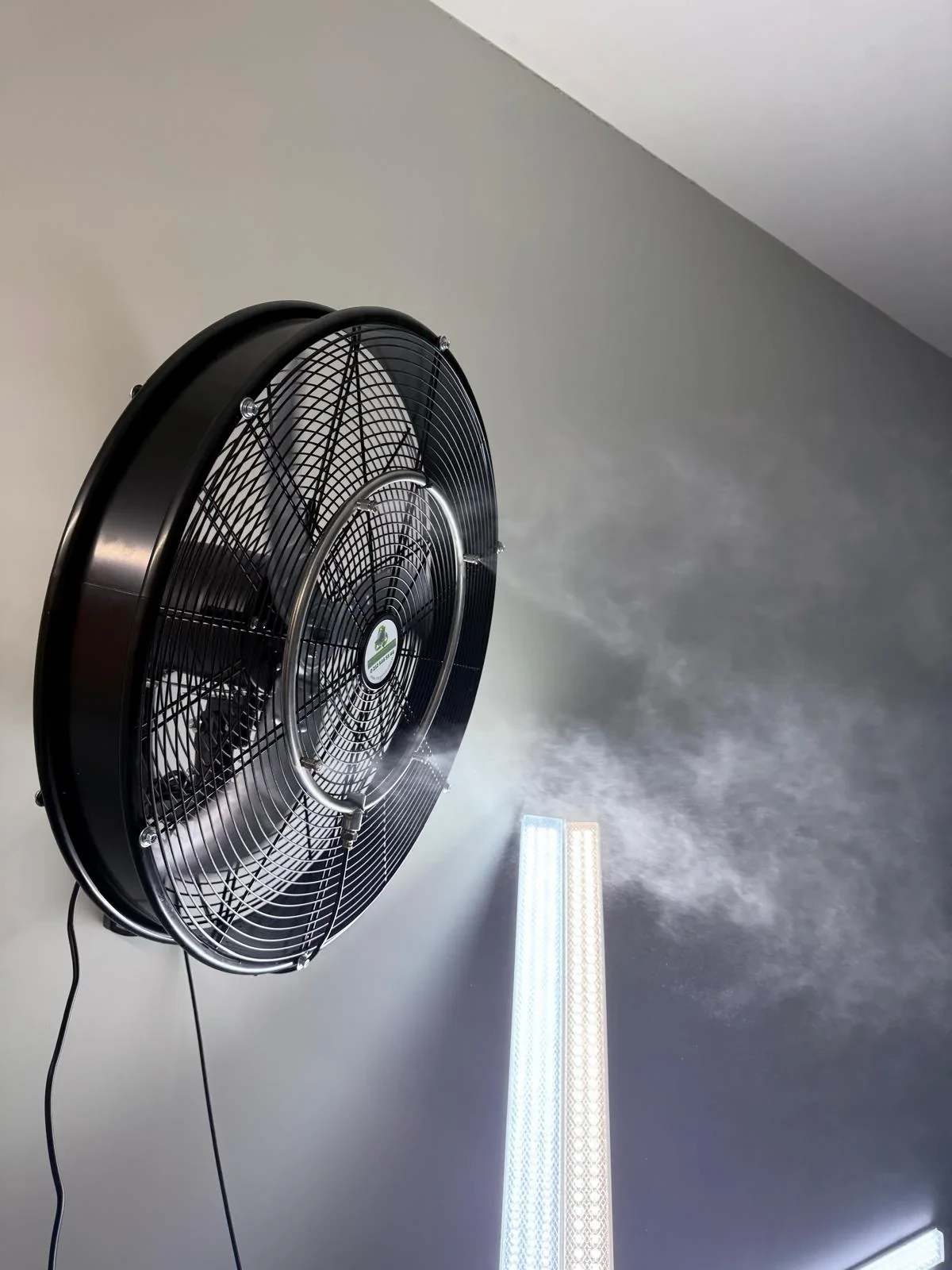
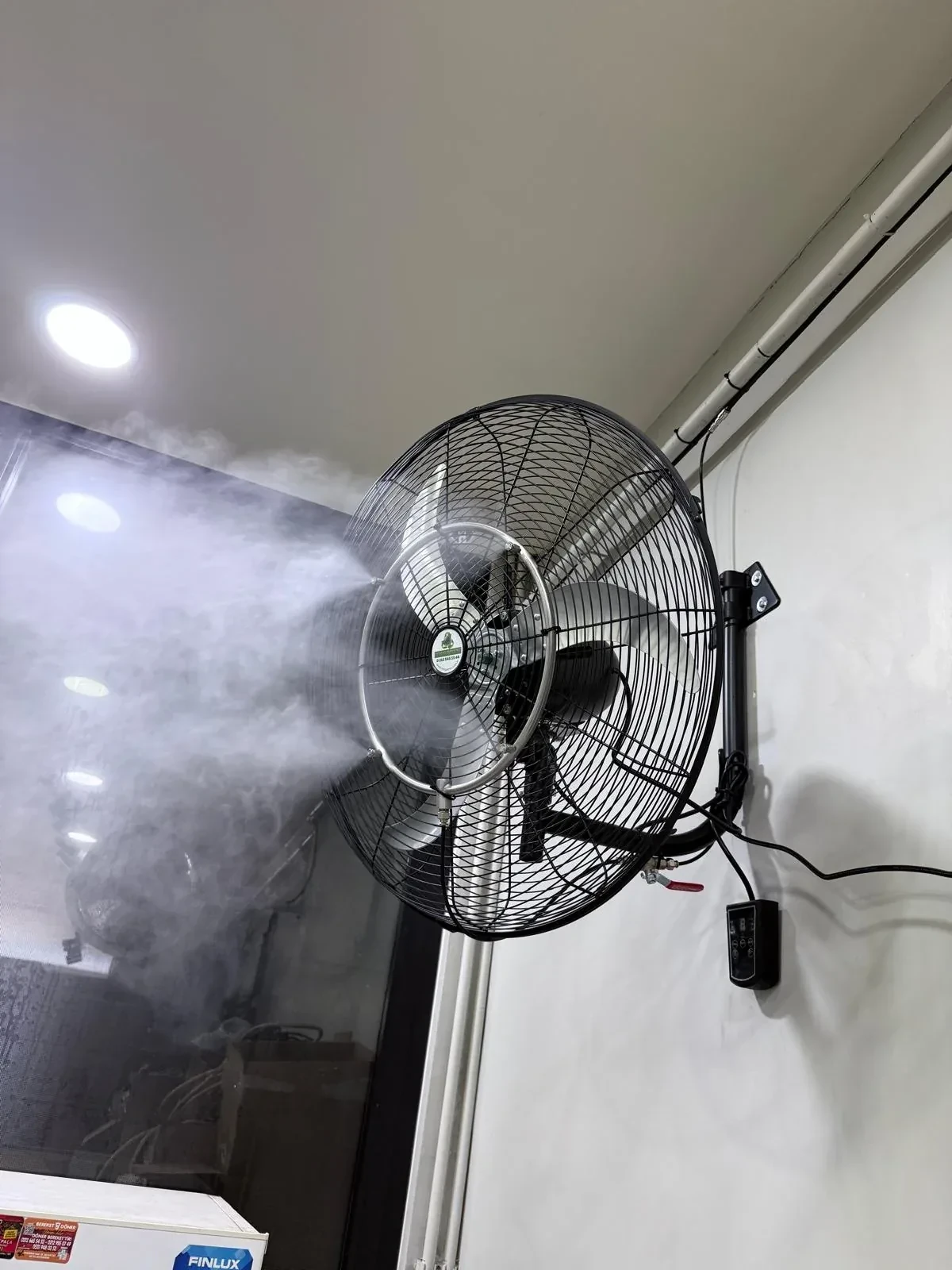
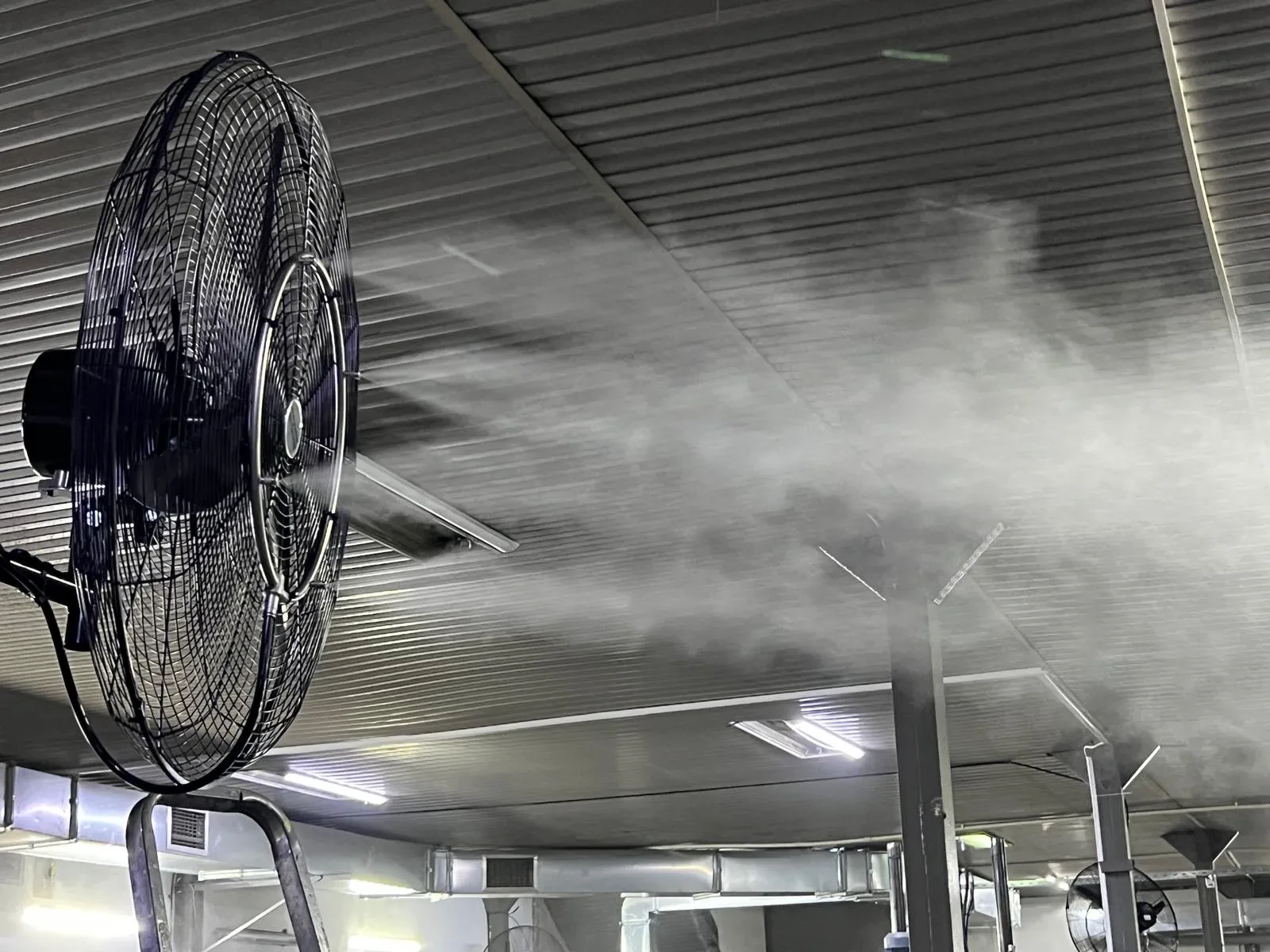
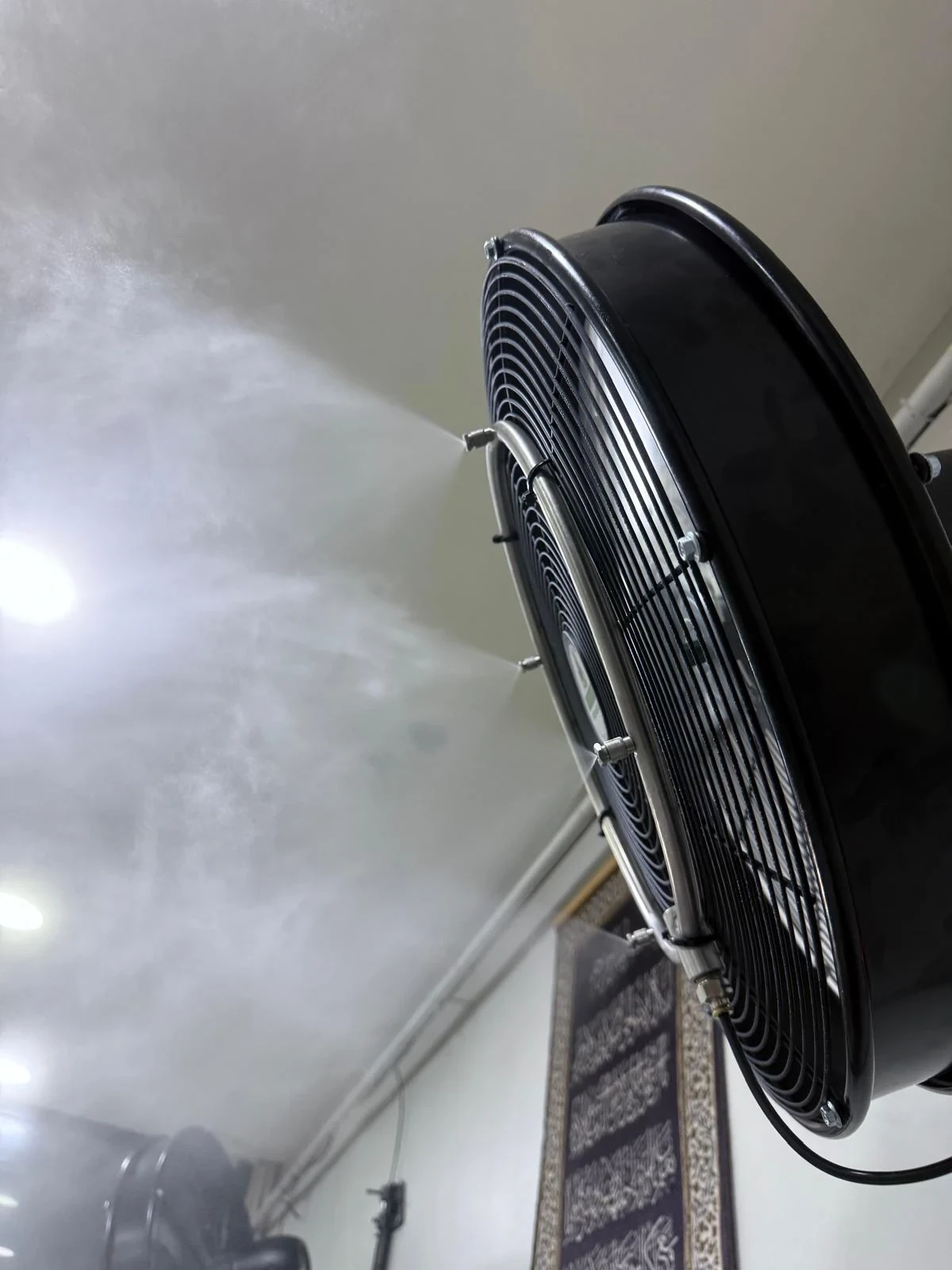
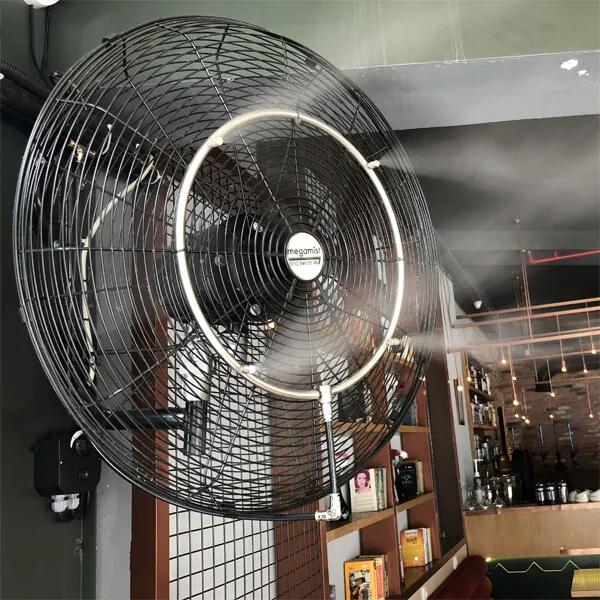
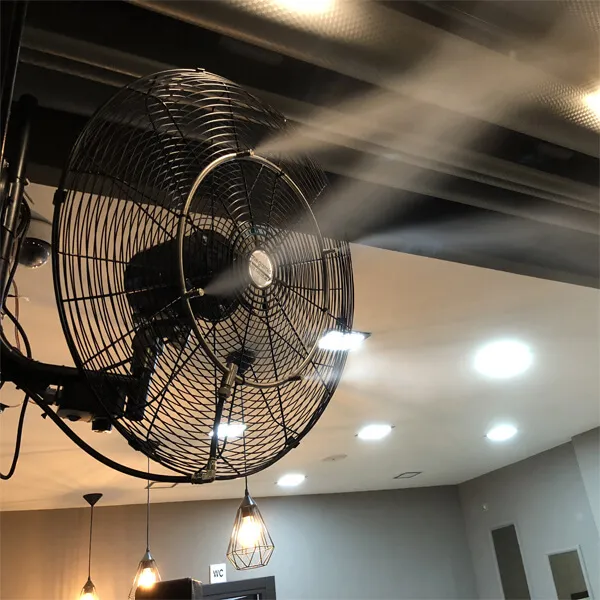
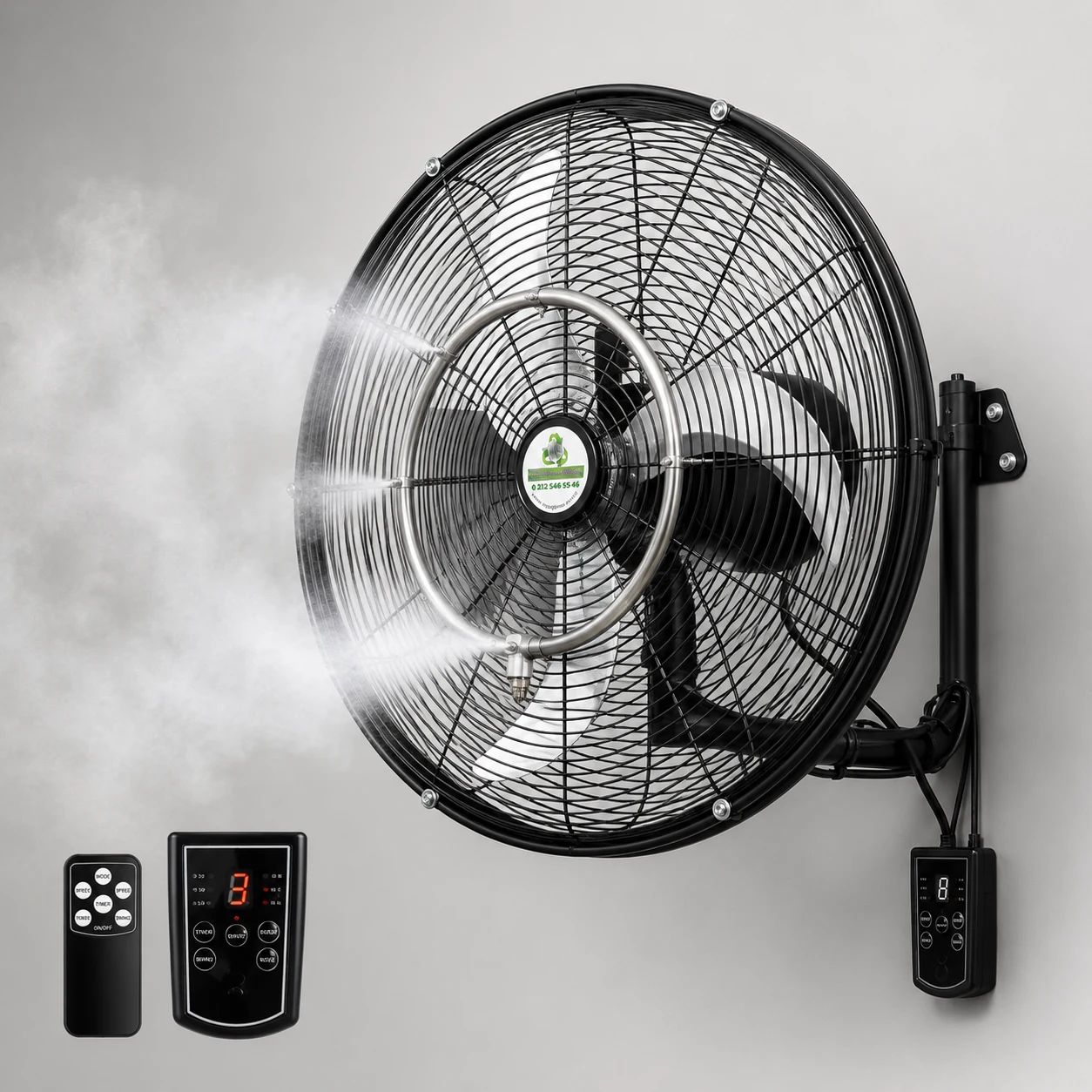
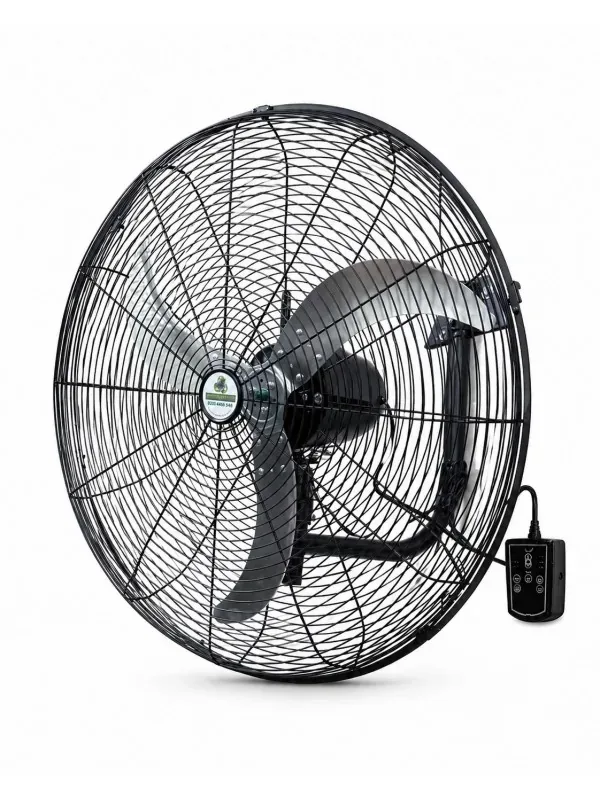
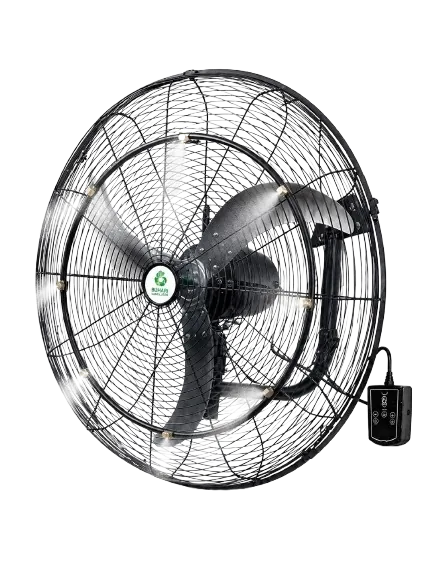
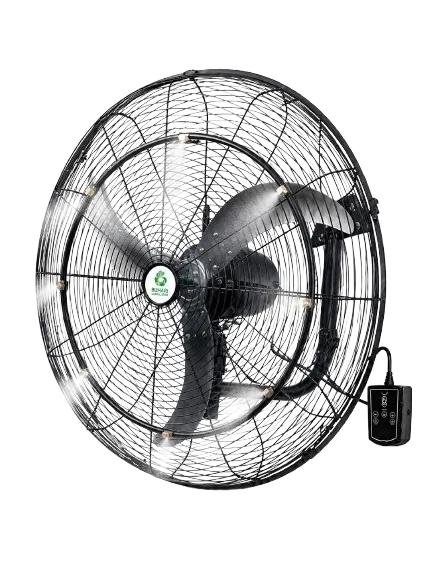
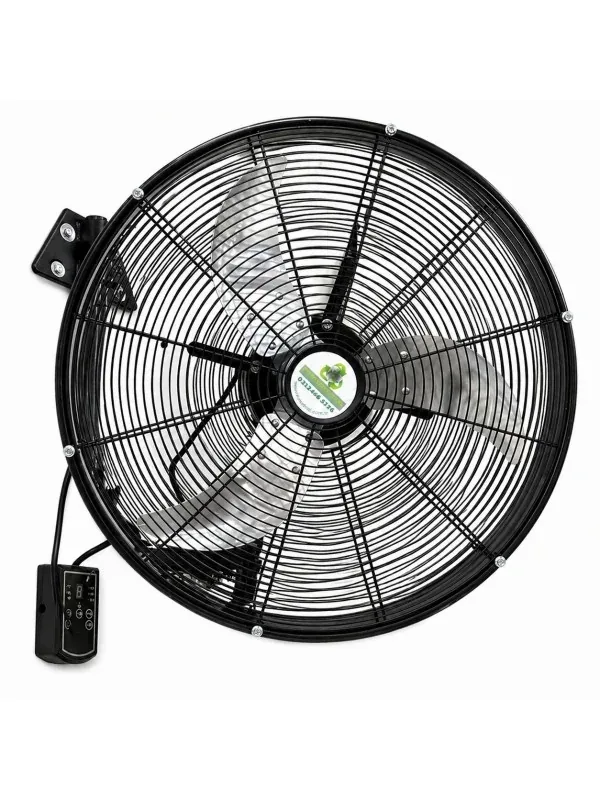
An industrial-type fan typically uses a large blade diameter and robust motor to increase air movement in workshops, storage areas, service bays and semi-open loading zones. Pedestal, wall-mounted and mobile formats serve different layouts. Selection should account for benches, racks, vehicle routes and operator positions.
Excessive airflow in the wrong direction can lift dust, move lightweight materials or create uncomfortable direct drafts. Compare speed control, oscillation, throw pattern and working distance rather than relying on power rating alone.
Air should reach occupied work areas without pushing welding fumes, chips or process dust toward other workers.
Rack aisles and open doors shape circulation, and fan placement must not interfere with loading traffic.
Routine blade cleaning supports balance and airflow. Power cables, switches, wheels and mounting hardware should be inspected. When water mist is added, electrical protection and nozzle placement require a separate safety review.
Ask for airflow data, fan diameter, speed levels, continuous-duty suitability, warranty, service coverage and replacement parts. Quotations are easier to compare when every supplier is asked to address the same operating scenario.
Application note: An industrial-type fan moves room air. If heat or contaminated air must be removed, a separate extraction and ventilation design may be necessary.
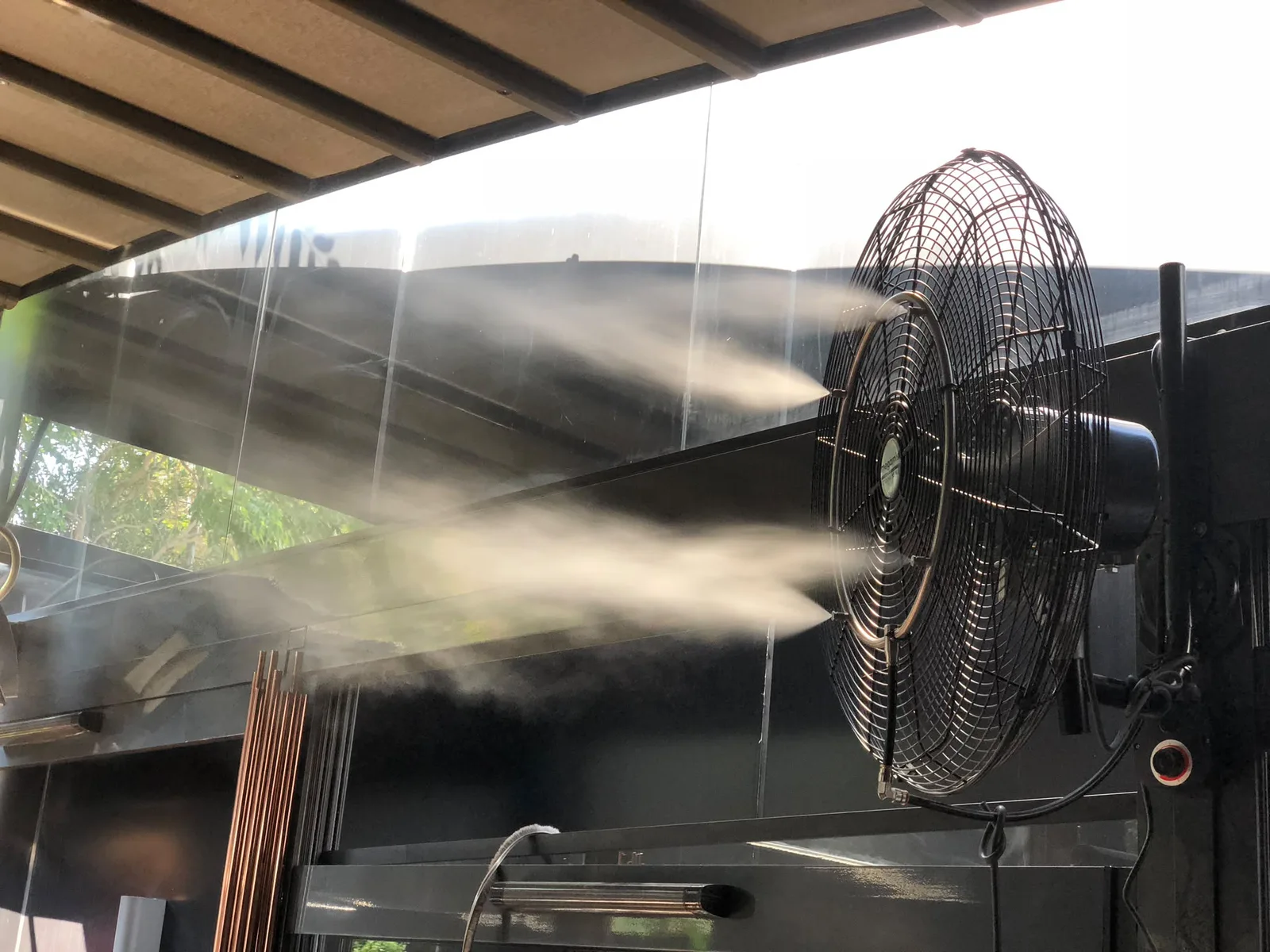
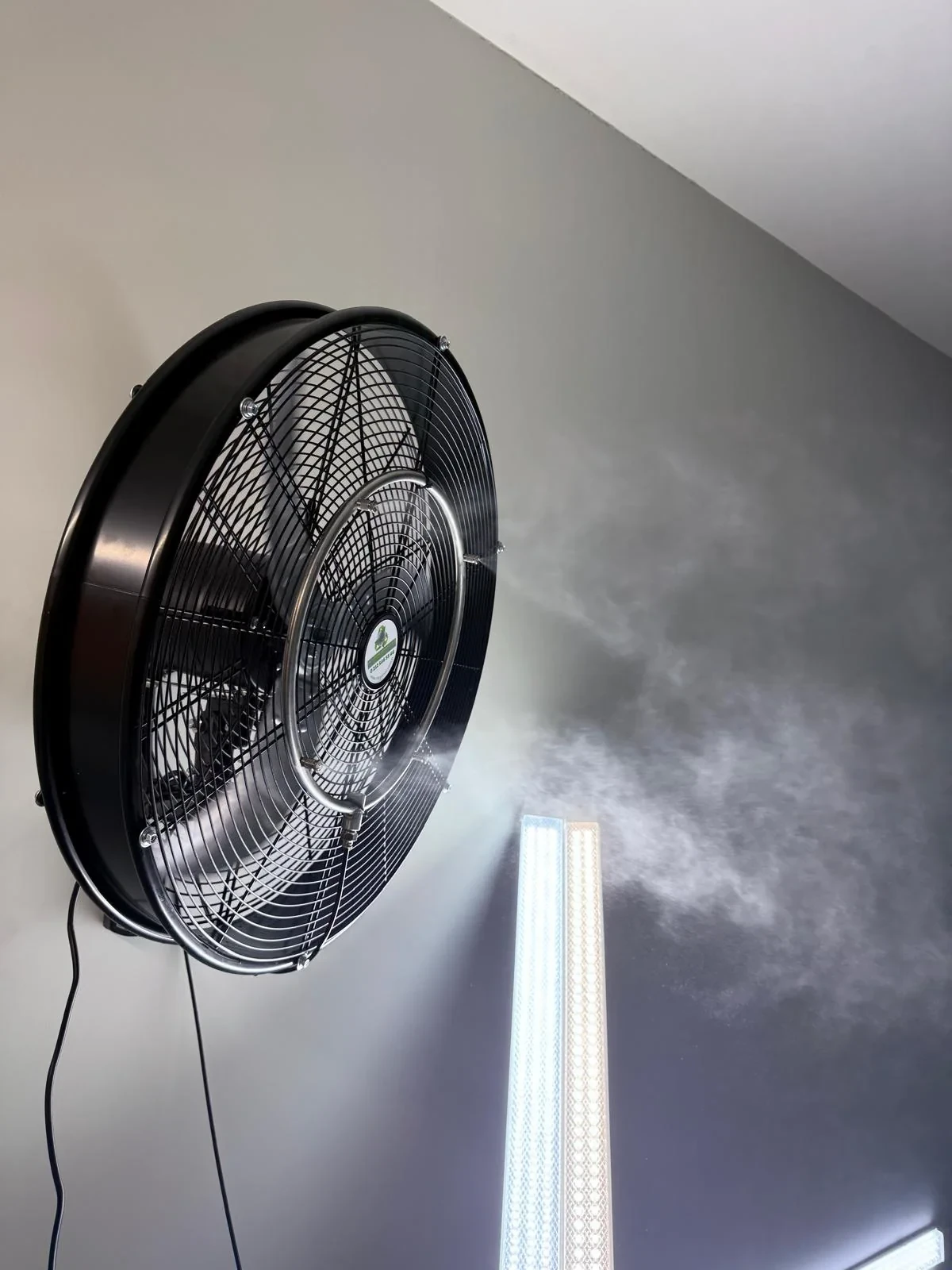
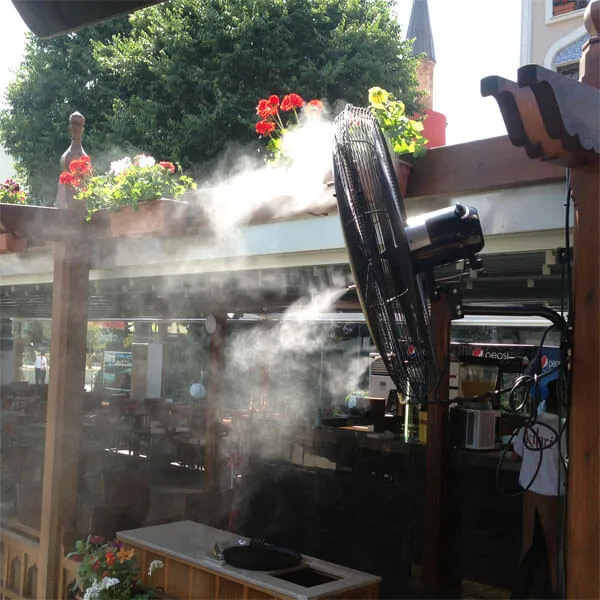
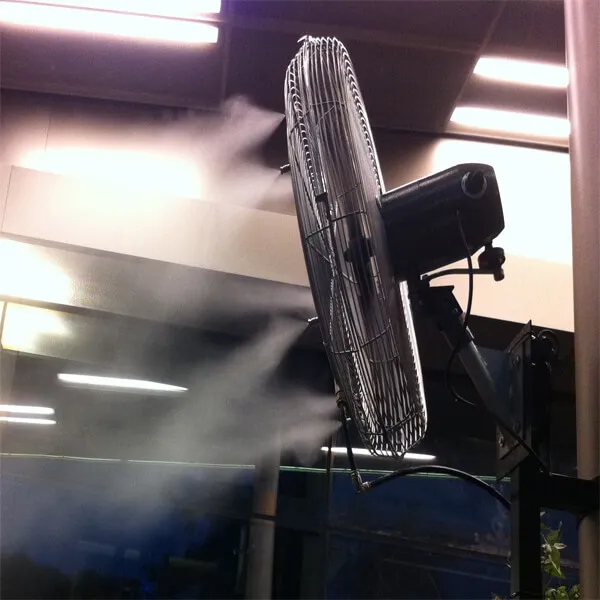
Review the airflow, mist distribution and working context of Industrial-Type Fan. Use the video together with the technical and site information on this page.
For stable performance, fan capacity, water supply, misting requirements where applicable, airflow and site layout are planned as one coordinated system.
Area size, heat load, occupancy, wind exposure, water supply and electrical points are reviewed together before equipment is selected.
PROJECT OUTPUTSite scope and use-case briefFan airflow, motor capacity, water-line or tank requirements, operating period and target coverage are matched to the real site conditions.
PROJECT OUTPUTMatched model, capacity and water supplyFan height, airflow direction, spray angle, seating or work-zone distance and safe circulation routes are planned as one layout.
PROJECT OUTPUTPlacement and coverage planDuring commissioning, airflow direction, mist distribution, pressure where applicable, sound level and operating instructions are checked before handover.
PROJECT OUTPUTOperational checks and handoverThe final model, quantity and placement depend on airflow, occupancy, water access and working duration.
Guest circulation, seating layout and direct wetting risk are considered together.
Mobility, working duration and visual fit shape the equipment choice.
Air volume, durability, maintenance access and operating periods guide the project.
It is a professional fan-based cooling solution that supports airflow with water vapor, mist or water-assisted cooling depending on the selected model and project need.
It can be used in outdoor seating areas, gardens, terraces, events, workshops, warehouses and industrial spaces.
The correct model is selected according to area size, airflow need, water source, installation conditions, operating hours and expected usage time.
Price depends on model, quantity, water tank or fixed-line requirement, installation details, area size and project scope.
Industrial-Type Fan improves comfort by moving air through the occupied zone. Mist-enabled models also support evaporative cooling with fine water droplets when site conditions and humidity are suitable.
Wind direction, area size, heat load, water and electrical infrastructure, placement clearances and operating hours affect model selection, quantity and final positioning. A site assessment reduces oversizing, undersizing and poor coverage.
Share the site dimensions, current photos, intended use and available infrastructure for a practical first evaluation.